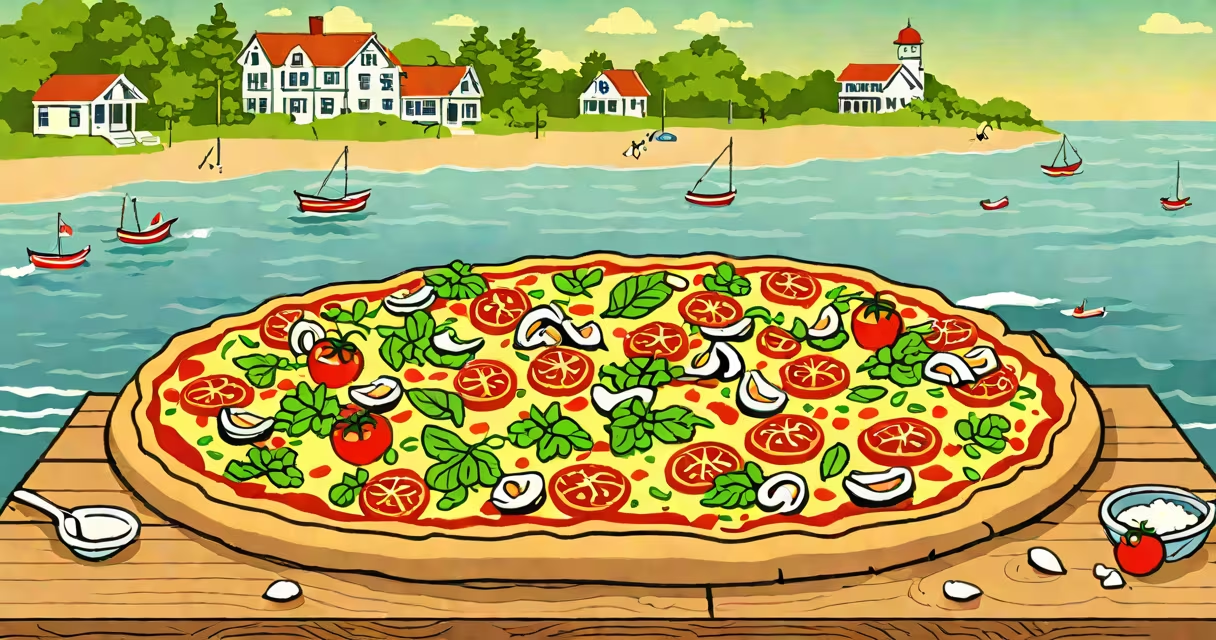
Cape Cod pizza is a regional style of thin-crust, hand-tossed pizza originating in coastal Massachusetts, characterized by a crisp, chewy base, minimal cheese, and frequent use of fresh local seafood such as chowder-style clams and mussels. It is distinct from Neapolitan or Chicago-style pizza due to its focus on simplicity and maritime ingredients.
The foundation of Cape Cod pizza lies in its dough. Made with high-protein flour, water, yeast, and salt, it's stretched by hand and baked quickly at high heat-typically 500°F (260°C)-resulting in a firm, slightly blistered crust. This method draws from Italian-American traditions brought to New England in the late 19th century, but evolved locally to suit the region's palate and available ingredients.
While traditional New York-style pizza features a foldable, chewy crust and generous cheese, Cape Cod pizza limits cheese to a light layer, often just mozzarella or a blend with a touch of sharp cheddar. The sauce is usually a simple tomato base-often just crushed San Marzano tomatoes with garlic and oregano-applied sparingly to avoid overwhelming the crust and toppings.
Seafood defines Cape Cod pizza. Clams are the most common topping, often sourced from nearby Nantucket Sound or Buzzards Bay. They're added raw or lightly steamed, then baked into the pie. Mussels, shrimp, and even smoked haddock appear in seasonal versions. A classic version, known as "clam pie," uses chopped clams, garlic, parsley, and a splash of white wine or clam juice in the sauce.
Other regional variants include:
A 2021 study by the University of Massachusetts Amherst found that 68% of restaurants serving Cape Cod pizza in Barnstable County use locally caught shellfish within 24 hours of preparation, highlighting the role of hyperlocal sourcing in maintaining authenticity.
Cape Cod pizza is primarily found in coastal towns like Hyannis, Chatham, and Falmouth. It thrives in casual dining spots, roadside pizzerias, and seasonal food trucks near beaches and marinas. Its popularity peaks during summer months when tourism drives demand for quick, satisfying meals with a regional identity.
Restaurants such as The Pizzeria in Wellfleet and Lighthouse Pizza in Provincetown serve pies that reflect both tradition and innovation. For example, Lighthouse Pizza offers a "Blue Crab & Corn" variant using blue crabs from the Cape's tidal creeks and roasted corn kernels-ingredients that are seasonally available between June and September.
Unlike deep-dish or stuffed pizzas, Cape Cod pizza is designed for sharing, typically cut into eight slices. It pairs well with cold local beer-such as Dogfish Head's "Sip of the Sea" IPA-or a crisp cider from a nearby orchard.
Cape Cod pizza is often confused with New Haven-style "apizza," which also uses a thin, charred crust and minimal cheese. However, New Haven apizza relies on coal-fired ovens and a specific type of mozzarella, while Cape Cod pizza is baked in gas ovens and emphasizes seafood over meat.
A key difference lies in the sauce. While New Haven uses a tangy, vinegar-forward sauce, Cape Cod pizza favors a sweet-tomato base with subtle acidity. The absence of heavy cheese allows the seafood to shine-something that doesn't happen in styles like Detroit or Sicilian, where cheese dominates.
Another misconception is that Cape Cod pizza is inherently "healthier." While it tends to have less cheese and fewer calories per slice than thick-crust varieties, a single pie can still exceed 1,200 calories due to the high-fat content of fried seafood or butter-based crusts in some establishments. Nutrition data from the USDA shows that a typical 12-inch Cape Cod clam pie contains 38 grams of protein and 19 grams of fat-more than double the average slice of standard pepperoni pizza.
| Feature | Cape Cod Pizza | New Haven Apizza | Neapolitan Pizza |
|---|---|---|---|
| Crust Type | Thin, crisp, hand-stretched | Thin, charred, coal-fired | Chewy, soft, oven-charred |
| Primary Toppings | Clams, mussels, seafood | Tomatoes, garlic, anchovies | Tomato, mozzarella, basil |
| Sauce Base | Simple tomato, sometimes with clam juice | Vinegar-infused tomato | Uncooked tomato, minimal seasoning |
| Typical Serving Size | 12 inches, 8 slices | 14 inches, 6-8 slices | 10-12 inches, 6 slices |
At Harbor Lights Pizzeria in Hyannis, a standard "Classic Clam Pie" measures 12 inches and costs $18. The dough is prepared daily using a 48-hour fermentation process to improve flavor and texture. The sauce is a reduced mix of canned tomatoes, minced garlic, and a dash of clam juice from a local fishery.
Five ounces of fresh littleneck clams are added raw-no cooking beforehand-to preserve their delicate texture. After baking at 500°F for 12 minutes, the pie emerges with a golden-brown edge and a slightly translucent center. The final product weighs approximately 1.3 pounds and contains 420 calories per slice.
Cape Cod pizza is not a national chain or standardized recipe-it's a living culinary tradition shaped by geography, seasonality, and local taste. It reflects the region's history of fishing, migration, and seasonal tourism. Understanding it requires recognizing that its value lies not in uniformity, but in variation based on place and time.
For those exploring the area, seeking out a pizzeria with a rotating seasonal menu-such as one featuring lobster in fall or scallop and leek in winter-offers the fullest experience. As with many regional foods, the best version is often the one made by someone who grew up eating it.
Recreating it at home, knowing the differences between this style and others ensures you're not just ordering a meal-but experiencing a piece of New England's food culture.