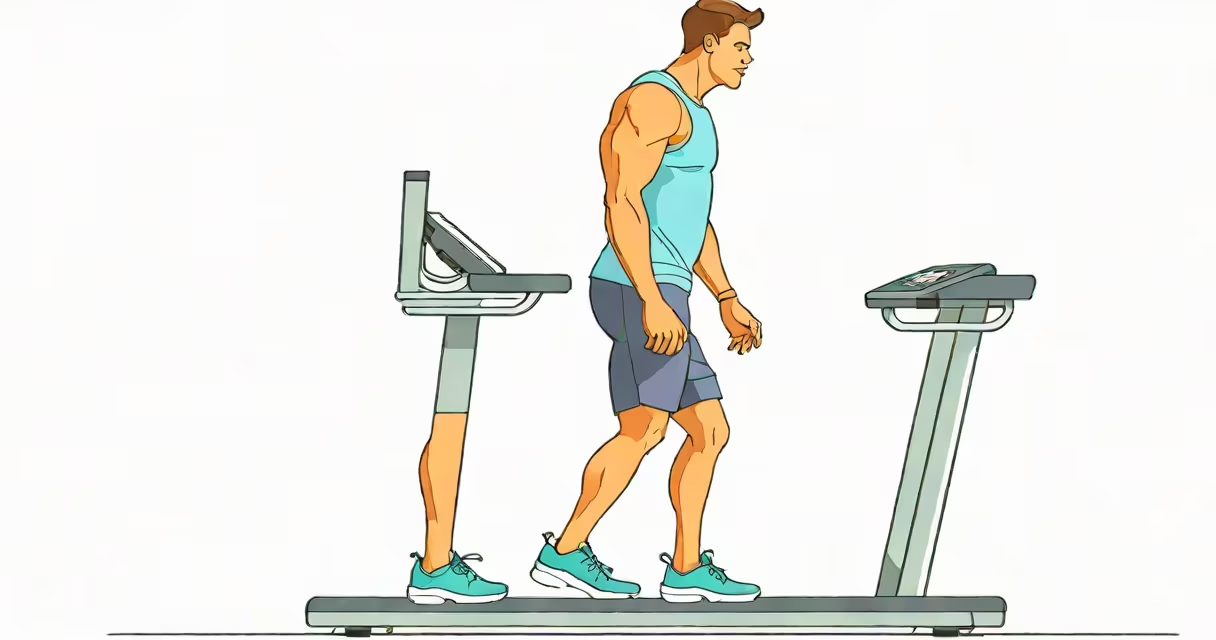
Healthy male weight is the range of body mass associated with optimal health outcomes, determined by height, body fat percentage, and muscle mass-not just a number on a scale. It reflects a balance between lean tissue and essential fat, reducing risk for chronic disease.
Body weight alone doesn't define health. A 6-foot-tall man weighing 180 pounds may have a lower body fat percentage than a 5'7" man at the same weight. The difference lies in body composition-muscle weighs more than fat per volume. A healthy male weight accounts for this variation.
The World Health Organization defines a healthy BMI range as 18.5 to 24.9. For men, this translates to specific weight ranges based on height. A 5'9" man should ideally weigh between 130 and 165 pounds to fall within this zone. However, BMI doesn't measure body fat directly-it's a proxy. Two men with identical BMI values can differ in muscle mass and visceral fat levels.
Health professionals assess healthy male weight using multiple metrics. BMI is the most widely used screening tool because it's easy to calculate and correlates with disease risk. But it has limitations. It treats all weight equally, regardless of whether it comes from muscle, bone, or fat.
For example, a 6'3" man who weighs 200 pounds has a BMI of 25.7-just above the upper limit of normal. Yet if he's a competitive athlete with 12% body fat, his weight is likely healthy. Conversely, a man of the same height and weight with 28% body fat faces higher risks for heart disease and insulin resistance.
More accurate assessments include waist-to-hip ratio, body fat percentage via DEXA scans or bioelectrical impedance, and metabolic markers like fasting glucose and triglycerides. These tools reveal internal health beyond what scales and charts show.
Healthy male weight depends heavily on height. The following table shows recommended weight ranges based on height and BMI categories. These values are derived from CDC growth charts and NHANES data.
| Height | BMI 18.5 (Underweight) | BMI 22 (Ideal) | BMI 24.9 (Normal) | BMI 25 (Overweight) |
|---|---|---|---|---|
| 5'6" | 118 lb | 138 lb | 149 lb | 155 lb |
| 5'9" | 128 lb | 148 lb | 160 lb | 167 lb |
| 6'0" | 144 lb | 167 lb | 180 lb | 187 lb |
| 6'3" | 161 lb | 186 lb | 201 lb | 210 lb |
These ranges assume average body composition. Men with higher muscle mass may fall into the upper end of the "normal" range while still being metabolically healthy. A 6'3" man weighing 200 pounds with 15% body fat is healthier than a man of the same height and weight with 25% body fat.
When assessing healthy male weight, consider activity level. Resistance-trained men often carry more lean mass. Their weight may exceed standard BMI thresholds yet reflect low visceral fat and high insulin sensitivity. This is why athletes like NFL linemen-some over 300 pounds-can be metabolically healthy despite high BMI scores.
Many people believe that a single number defines healthy male weight. That's incorrect. A man who weighs 170 pounds at 5'10" falls within the normal BMI range. But if he has a waist circumference of 42 inches, he likely has elevated visceral fat and increased risk for type 2 diabetes-even if his BMI is normal.
Another myth is that losing weight always improves health. A 2021 study published in JAMA Internal Medicine found that intentional weight loss in overweight men with normal metabolic function led to reduced muscle mass and increased mortality risk over five years. Weight loss should be guided by health markers, not numbers alone.
A key distinction: healthy male weight is not synonymous with "ideal" or "perfect" weight. There's no universal standard. What matters is long-term metabolic stability, physical function, and absence of disease. A man who maintains a stable weight within his personal healthy range over time has better outcomes than someone chasing a rigid number.
John is 5'10" and weighs 185 pounds. His BMI is 27.8-classified as overweight. He exercises regularly, lifts weights three times a week, and eats a balanced diet. His body fat percentage, measured via DEXA scan, is 18%. His waist circumference is 36 inches. Blood tests show normal glucose, cholesterol, and blood pressure.
Despite his BMI placing him in the overweight category, John's health markers are excellent. His weight is sustainable and aligned with his fitness goals. He's not at increased risk for heart disease or diabetes. His healthy male weight is not defined by BMI but by function and biomarkers.
This illustrates a critical point: BMI is a population-level tool, not a personal health diagnostic. It flags potential issues but requires context. A man's healthy weight range must be evaluated through clinical data, not just a chart.
If you're assessing your own healthy male weight, start with a healthcare provider. They can review your BMI, waist measurement, and lab results. Don't rely solely on online calculators or social media trends.
Understanding healthy male weight begins with recognizing that weight is not a standalone indicator. It's one piece of a larger picture. Use BMI as a first screen, but validate it with body composition and metabolic health data. The goal isn't to reach a number-it's to sustain vitality over time.